
DWI sleeping passenger seat cases can create a difficult legal question because simply finding an intoxicated person asleep inside a vehicle does not automatically establish that the person operated the vehicle while intoxicated. In Texas, a DWI prosecution generally requires the state to prove beyond a reasonable doubt that the accused was intoxicated while operating a motor vehicle in a public place. When police discover someone asleep in the passenger seat rather than behind the wheel, the dispute may focus heavily on whether sufficient evidence connects that person to the vehicle’s operation.
These cases are highly fact-dependent. The person’s location inside the vehicle is important, but it is rarely the only fact investigators or prosecutors consider. Officers may examine where the vehicle is located, whether the engine is running, who possesses the keys, whether another driver is present, what the person says, how recently the vehicle appears to have been driven, and whether witnesses or recordings establish prior driving.
That makes a DWI sleeping passenger seat allegation different from a typical traffic-stop DWI. In an ordinary stop, an officer may personally observe the defendant driving before making contact. When someone is already asleep in a parked vehicle, prosecutors may need to establish operation through circumstantial evidence instead.
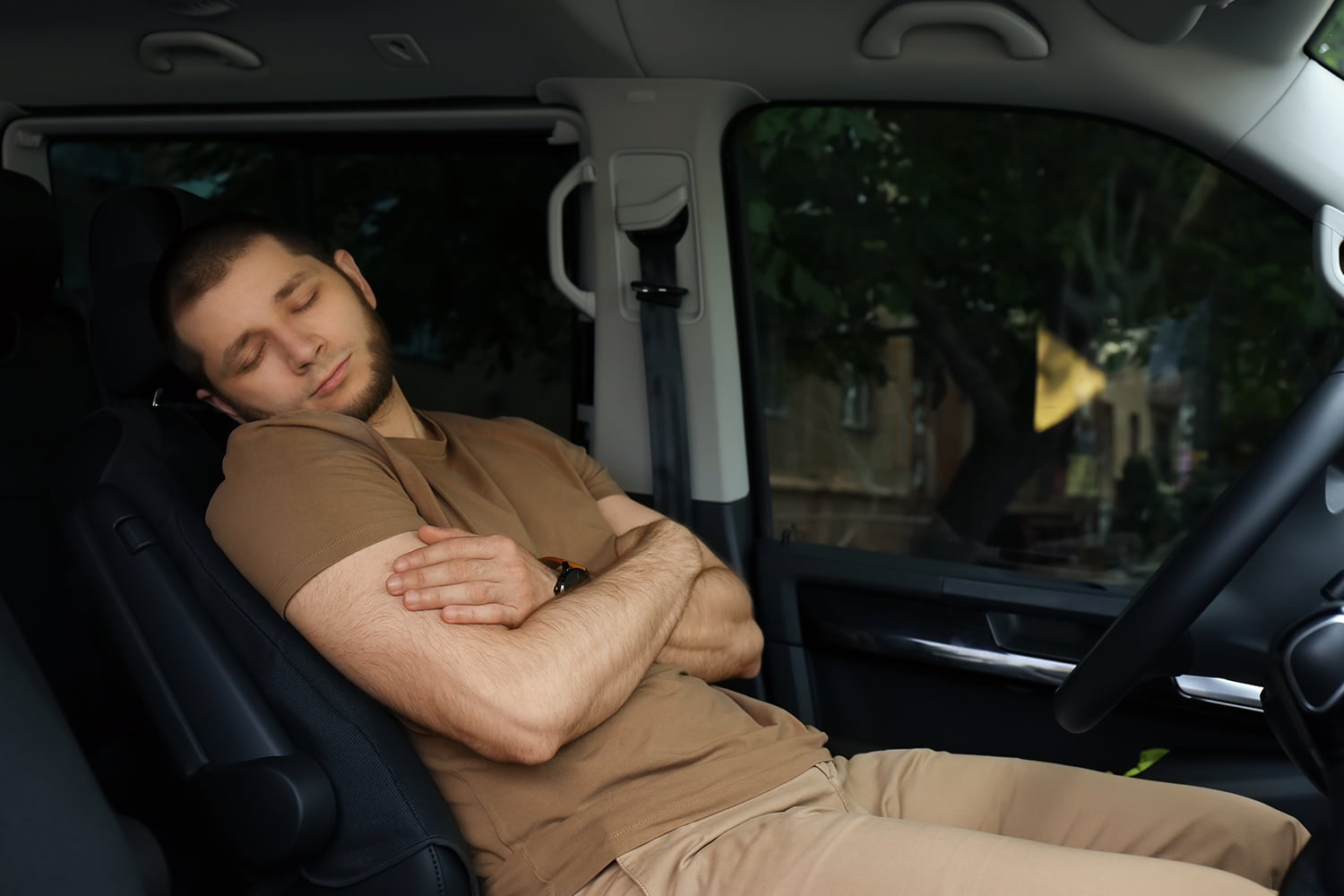
Why the Passenger Seat Changes the DWI Analysis
Finding someone in the driver’s seat can create one set of factual inferences.
Finding the same person asleep in the passenger seat can create another.
The passenger-seat location may support an argument that the individual was not operating the vehicle at the time police arrived.
But that does not automatically resolve what happened earlier.
The prosecution may attempt to prove that the person drove before moving to the passenger seat.
The defense may argue that another person drove or that the available evidence simply cannot establish operation beyond a reasonable doubt.
The timeline becomes crucial.
DWI Sleeping Passenger Seat Cases Still Require Proof of Operation
Texas DWI law focuses on operating a motor vehicle while intoxicated in a public place.
The statute does not make “sleeping while intoxicated inside a vehicle” a substitute for proving operation.
This distinction matters.
Police may have strong evidence that someone is intoxicated, yet the prosecution can still face a separate question about whether that person operated the vehicle.
Both issues need evidence.
What Does “Operating” Mean in a Texas DWI Case?
Texas law does not define “operate” in the DWI statute through a simple sentence saying that the vehicle must be moving down the highway.
Texas courts have therefore addressed operation through case law.
The analysis can extend beyond whether an officer personally saw the vehicle moving.
Courts may consider whether the person’s actions affected the functioning of the vehicle in a manner that would enable its use.
That makes operation a broader concept than merely “caught driving.”
Still, the prosecution needs evidence connecting the accused to operation.
Being a Passenger Is Not the Same as Being a Driver
Suppose two friends attend a party.
One remains sober and drives home.
The other drinks and falls asleep in the passenger seat.
Police later encounter the vehicle while the sober driver is outside speaking with someone.
The intoxicated passenger does not become guilty of DWI merely because they are intoxicated inside the car.
The missing fact is operation.
This simple example shows why dwi sleeping passenger seat cases should not collapse intoxication and driving into a single question.
What If Police Find Only One Person?
The case becomes more complicated when officers find an intoxicated passenger alone.
Consider Marcus.
Police discover a vehicle parked in a public parking area at 2:00 a.m. Marcus is asleep in the front passenger seat. Nobody else is nearby.
Officers wake him and determine that he appears intoxicated.
Who drove the vehicle there?
The prosecution may argue that Marcus was the only person present and therefore likely drove.
Marcus may say a friend drove him and left.
Now the case turns on evidence.
Does anything corroborate Marcus’s account?
Do surveillance cameras exist?
Are there messages with the alleged driver?
What does the vehicle’s location suggest?
Does anyone else have access to the car?
The passenger seat becomes one fact among many.
Circumstantial Evidence Can Prove Operation
The prosecution does not necessarily need an officer who says:
“I watched the defendant drive.”
Operation can potentially be established through circumstantial evidence.
Suppose police find a vehicle shortly after a crash.
The defendant is the only person nearby.
Witnesses saw one person exit the vehicle.
The defendant possesses the keys and makes statements indicating prior driving.
Those circumstances may collectively support an inference of operation.
The defense can challenge whether that inference is strong enough.
The Location of the Vehicle Matters
A parked car in a private driveway presents a different factual picture from a vehicle stopped in an active traffic lane.
Imagine officers find a person asleep in the passenger seat while the vehicle sits partially blocking an intersection.
That location may create questions about how the car arrived there.
Now compare a car legally parked outside an apartment complex where several people have access to it.
The inference concerning prior driving may be weaker.
The DWI sleeping passenger seat analysis should therefore consider the entire scene.
A Running Engine Can Become Relevant
Police reports often emphasize whether the engine was running.
A running engine can be important, but it does not automatically prove who drove the vehicle to its location.
Suppose someone sits in the passenger seat while the engine runs because the heater is on.
That fact differs from evidence showing the same person manipulated vehicle controls to move the car.
The prosecution may use the running engine as part of a broader circumstantial argument.
The defense may focus on what the engine status actually proves.
Where Are the Keys?
Key location can become surprisingly important.
Investigators may ask:
Were the keys in the ignition?
Were they in the passenger’s pocket?
Were they on the floor?
Did the vehicle use push-button ignition?
Could someone else have taken another key?
Possession of the keys can support an inference of control over the vehicle, but it does not necessarily establish prior operation by itself.
Modern keyless vehicles can make the analysis even less straightforward.
The Driver’s Seat Can Still Provide Evidence
Even though the person is found in the passenger seat, investigators may examine the driver’s side.
They may look at circumstances such as:
- Seat position
- Personal belongings
- Recent activity
- Vehicle condition
- Other physical evidence
Suppose the defendant is unusually tall while the driver’s seat is positioned extremely close to the steering wheel.
That fact might support the argument that someone else was driving.
It is not conclusive, but it can add context.
Statements Can Make or Break the Case
What someone says after police arrive can become extremely important.
Imagine an officer asks:
“How did you get here?”
The person responds:
“I drove here before I started drinking.”
That statement raises one set of issues.
Now imagine the response is:
“My sister drove me, and she took a ride home with someone else.”
That creates a different investigation.
Officers may attempt to verify the explanation.
In DWI sleeping passenger seat cases, statements often fill gaps left by the absence of direct driving observations.
Timing of Drinking Can Become Critical
Suppose a person admits driving to a parking lot but claims all alcohol consumption occurred afterward.
Now the question is not simply whether the person operated the vehicle.
It is whether the person was intoxicated at the time of operation.
This creates a timeline problem.
When was the vehicle driven?
When did drinking occur?
When did police arrive?
When was chemical testing conducted?
The prosecution must connect intoxication to the legally relevant period rather than merely showing intoxication later.
The “Drinking After Driving” Scenario
Consider Ethan.
Ethan says he drove sober to a friend’s apartment complex at 9:00 p.m. After parking, he drank alcohol while sitting with friends nearby. Later, feeling tired, he climbed into the passenger seat of his car and fell asleep.
Police find him at midnight.
A chemical test may provide evidence concerning Ethan’s condition around the time police encountered him.
But if the defense can credibly establish that the drinking occurred only after driving ended, the relevant timeline becomes substantially more complicated.
The case requires evidence connecting intoxication to operation.
Chemical Test Results Do Not Automatically Prove Who Drove
Breath or blood evidence can address intoxication.
It does not necessarily identify the driver.
Suppose a blood test provides strong evidence that a person found asleep in the passenger seat was intoxicated.
The prosecution may have established one important part of its theory.
It still needs sufficient evidence concerning operation.
This is why DWI evidence should be separated into categories rather than treated as one undifferentiated package.
Surveillance Footage Can Resolve the Mystery
Modern parking lots, businesses, apartment complexes, and homes frequently have cameras.
Surveillance footage may show:
- Who drove into the area
- Who exited the driver’s seat
- Whether another person was present
- When the vehicle arrived
- Whether the car moved after arrival
In a disputed DWI sleeping passenger seat case, video can become some of the strongest evidence for either side.
Preserving it quickly matters because many systems automatically overwrite recordings.
Ride-Share and Phone Records May Add Context
Digital records can also help reconstruct events.
Depending on lawful availability and relevance, evidence might include:
- Ride-share activity
- Text messages
- Calls
- Location information
- Photographs
- Receipts
Suppose a defendant says a friend drove the car.
Messages showing the friend arranging the ride could support that account.
On the other hand, messages suggesting the defendant planned to drive may support the prosecution.
Digital evidence should be evaluated in context.
Witnesses Can Establish Another Driver
A passenger-seat defense becomes stronger when another person can credibly identify the actual driver.
Consider Natalie.
Police find Natalie intoxicated and asleep in the passenger seat of her car.
She says her coworker drove.
The coworker confirms the story and describes where the vehicle was parked.
A nearby security camera also shows the coworker exiting the driver’s side.
Now the defense has more than Natalie’s unsupported explanation.
Corroboration matters.
Ownership of the Car Does Not Prove Operation
Police may discover that the vehicle is registered to the sleeping passenger.
That fact is relevant.
But ownership does not automatically prove the owner drove on that particular occasion.
People regularly allow spouses, friends, relatives, and coworkers to drive their vehicles.
The prosecution may treat ownership as one circumstantial fact among several.
The defense may present evidence showing someone else had possession or permission to drive.
What If the Vehicle Is Not in a Public Place?
Texas DWI law includes a public-place element.
Therefore, the location of the vehicle can matter independently of intoxication and operation.
A roadway, parking area, or other location may raise questions about whether it qualifies as a public place under Texas law.
The legal definition can be broader than simply “government-owned road.”
A defendant should not assume private ownership of a parking lot automatically means the DWI statute cannot apply.
A Private Driveway Can Create a Different Question
Imagine someone is found asleep in the passenger seat of a vehicle entirely within a private residential driveway.
That scenario can raise different issues from a vehicle parked at a publicly accessible shopping center.
But even then, prosecutors may investigate whether the person previously operated the vehicle in a public place before parking.
Again, the timeline matters.
Why Body-Camera Footage Is Valuable
Body-camera footage can preserve the first interaction between officers and the sleeping passenger.
It may show:
- Where the person was seated
- Where the keys were located
- What officers asked
- What the person said
- The condition of the vehicle
- Whether another person appeared
- How investigators developed their theory
Police reports summarize these events.
Video can allow attorneys to evaluate them directly.
Police Reports Should Be Compared With Video
Suppose an officer writes:
“The defendant admitted driving.”
Body-camera footage may show the actual statement:
“I drove earlier this afternoon.”
Those sentences are not necessarily inconsistent, but the timing detail could be extremely important.
This illustrates why original recordings can matter so much in DWI sleeping passenger seat cases.
Small details may determine whether the prosecution can connect driving and intoxication.
Sleeping in the Back Seat Can Present Similar Issues
Although the target question concerns the passenger seat, similar principles can arise when someone sleeps in the rear seat.
Moving farther away from the driver’s controls may strengthen certain factual arguments, but it does not automatically establish that the person never drove earlier.
Prosecutors may still rely on witnesses, statements, surveillance footage, keys, ownership, and other circumstantial evidence.
Seat location matters, but it does not exist in isolation.
Moving From the Driver’s Seat to the Passenger Seat Does Not Erase Earlier Driving
Suppose someone drives while intoxicated, parks, and then deliberately moves into the passenger seat before falling asleep.
Finding the person in the passenger seat later does not erase the earlier operation if prosecutors can prove it.
This is an important limitation.
A passenger-seat location is evidence about where the person was when police arrived.
It is not necessarily proof of where the person was 15 minutes earlier.
The Prosecution Must Build a Timeline
A strong prosecution may attempt to answer:
When did the vehicle arrive?
Who was driving?
When did the defendant begin drinking?
When did intoxication develop?
When did police make contact?
What evidence supports each step?
A gap in that timeline can become important.
The defense may focus on whether the prosecution is asking jurors to replace missing evidence with speculation.

Reasonable Inferences and Speculation Are Different
Circumstantial evidence permits reasonable inferences.
But criminal convictions still require proof beyond a reasonable doubt.
Suppose the only evidence is:
The defendant owns the car.
The defendant is intoxicated.
The defendant is asleep in the passenger seat.
No witness saw driving.
No statement admits driving.
No video shows who arrived in the vehicle.
No evidence establishes when the car was parked.
The legal question becomes whether the available evidence sufficiently proves operation and intoxication at the relevant time.
That determination depends on the complete case.
What Defense Attorneys May Investigate
A defense investigation may focus on:
- Surveillance footage
- Witnesses
- Vehicle ownership and access
- Key location
- Defendant statements
- Body-camera footage
- Chemical-test timing
- Phone records where relevant
- Receipts and timestamps
- The location of the vehicle
The goal is not simply to argue, “My client was in the passenger seat.”
The stronger question is:
What does all available evidence show about who actually operated the vehicle?
A Full DWI Sleeping Passenger Seat Scenario
Consider Lauren.
Police find Lauren asleep in the front passenger seat of her SUV outside a restaurant at 1:30 a.m. The engine is off. The keys are in her purse.
Lauren appears intoxicated.
She tells officers her friend Mia drove the SUV because Lauren knew she had consumed too much alcohol. Lauren says Mia left in a ride-share vehicle shortly before police arrived.
Investigators could test that explanation.
Does Mia confirm it?
Is there restaurant surveillance footage?
Does a ride-share record show Mia leaving?
Do messages between Lauren and Mia discuss who would drive?
Does parking-lot video show Mia behind the wheel?
If several independent pieces of evidence support Lauren’s account, the passenger-seat fact becomes part of a coherent alternative explanation.
If none of the claimed evidence exists and other facts contradict her account, prosecutors may argue differently.
That is how a DWI sleeping passenger seat case should be analyzed—through corroborated facts rather than assumptions.
Why These Cases Are Different From Ordinary Traffic Stops
In a typical DWI traffic stop, the officer may personally observe:
The vehicle moving.
The defendant behind the wheel.
The stop occurring.
That can make operation relatively straightforward.
Passenger-seat cases often lack that direct sequence.
As a result, operation may become one of the most contested elements rather than a background fact everyone accepts.
The Passenger Seat Can Help the Defense Without Automatically Winning the Case
Finding the accused away from the steering wheel is potentially important.
It can weaken an assumption that the person was currently operating the vehicle.
But it is not an automatic defense.
The ultimate analysis depends on:
- Prior driving evidence
- Statements
- Witnesses
- Digital records
- Video
- Vehicle condition
- Key possession
- Timeline evidence
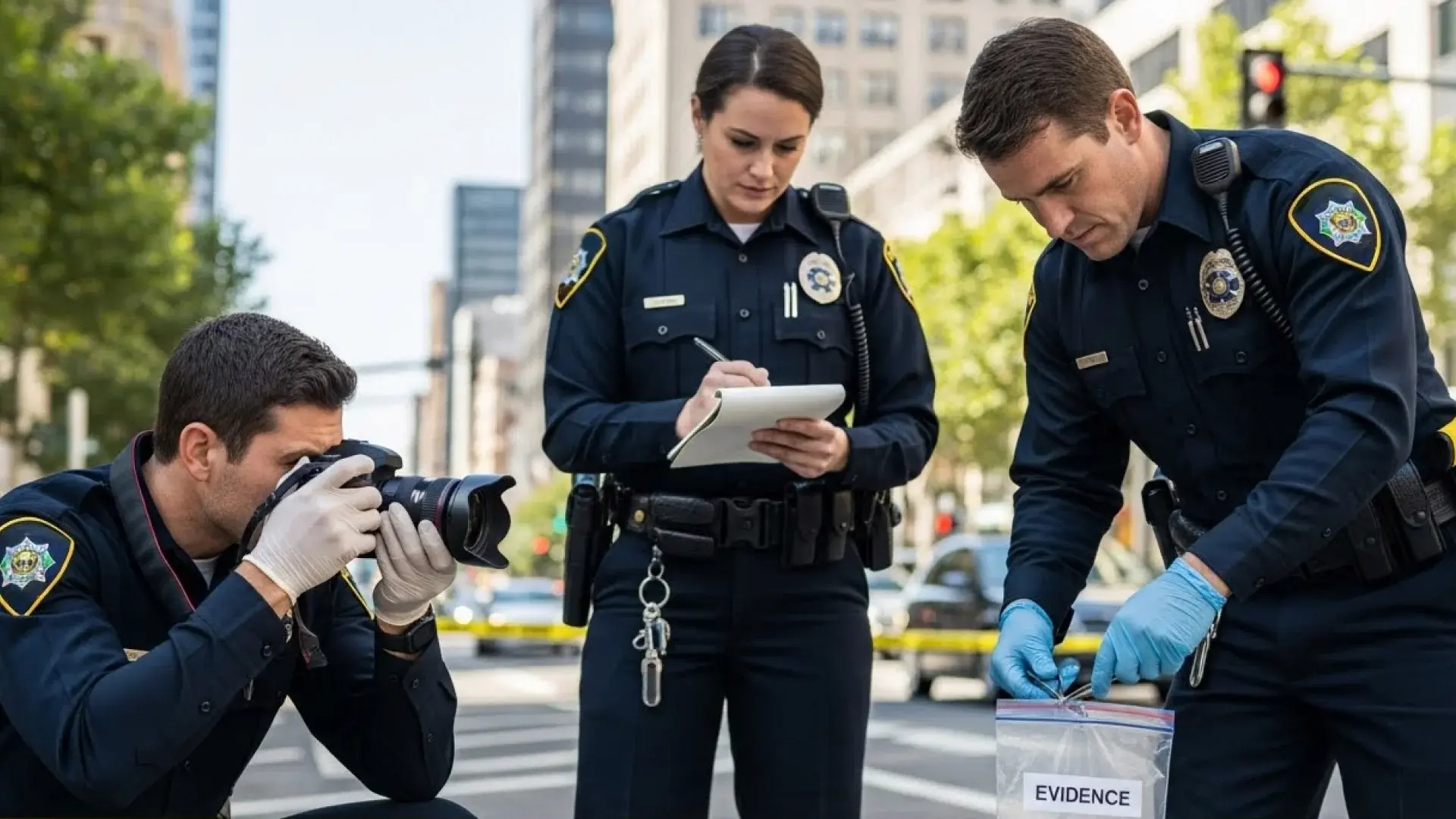
The strongest defense evaluates all of these rather than relying on seat location alone.
Conclusion
DWI sleeping passenger seat allegations require careful analysis because intoxication and operation are separate questions. Finding someone intoxicated and asleep in a vehicle may provide evidence about that person’s condition, but Texas DWI law generally requires proof connecting intoxication to the operation of a motor vehicle in a public place. When the person is found in the passenger seat, prosecutors may rely more heavily on circumstantial evidence to establish who drove the vehicle and when that driving occurred.
From an analytical perspective, a DWI sleeping passenger seat case should be reconstructed as a timeline. Where was the vehicle? Was the engine running? Who had the keys? Did anyone witness the driving? Does surveillance footage exist? What did the defendant say? Could another driver be identified? When did alcohol consumption occur? What does chemical evidence actually establish? The passenger seat alone neither guarantees dismissal nor proves guilt. Its significance depends on how it fits with the rest of the evidence. When the prosecution cannot reliably connect the accused to operation while intoxicated, the missing link can become one of the most important issues in the entire DWI case.