
DWI officer credibility can become a central issue when a Texas impaired-driving prosecution depends heavily on an officer’s observations, recollection, reports, and testimony. Police officers may describe how a vehicle was driven, what the driver said, how the driver appeared, and what occurred during roadside testing. Those observations can be powerful evidence, but they are not automatically beyond examination. Like any witness, an officer’s account can be compared with video, audio, written reports, scientific evidence, dispatch records, and prior statements to determine whether it is accurate, consistent, and reliable.
Credibility analysis is not the same as automatically accusing an officer of dishonesty. A discrepancy may result from imperfect memory, incomplete notes, ambiguous wording, or the difficulty of recalling details months after an arrest. In other situations, however, inconsistencies can involve important facts and deserve closer scrutiny.
The analytical question is therefore not simply whether a police officer testified. It is whether the officer’s testimony is supported by the complete evidentiary record. When DWI officer credibility becomes disputed, seemingly small details can influence how a judge or jury evaluates the prosecution’s case.

Why Officer Testimony Matters So Much in a DWI Case
Many DWI investigations begin with observations that only the officer initially witnesses.
The officer may testify about:
- Driving behavior
- Odor of alcohol
- Speech
- Eye appearance
- Balance
- Coordination
- Statements
- Roadside performance
- Conduct during arrest
These observations can help prosecutors construct a narrative of impairment.
If chemical evidence also exists, officer testimony may provide context connecting the scientific result to the driver’s behavior.
If no chemical test exists, observational testimony can become even more significant.
DWI Officer Credibility Begins With the Traffic Stop
The first major credibility question can arise before the officer even speaks with the driver.
Why was the vehicle stopped?
Suppose the officer’s report says the vehicle repeatedly crossed a lane marker.
If dash-camera footage exists, the defense can compare that description with the recording.
Perhaps the video clearly confirms several lane departures.
Perhaps it shows only one slight movement.
Or perhaps road construction makes the driving more difficult to interpret.
The point is not to assume the officer is wrong. It is to verify the account against available objective evidence.
Dash-Camera Footage Can Test the Written Narrative
A police report summarizes what an officer remembers and considers important.
A recording may preserve the actual event.
Imagine a report states:
“The vehicle was weaving continuously within its lane.”
The dash camera shows several minutes of relatively steady driving before one noticeable movement.
That difference may become relevant.
Whether it matters legally depends on the circumstances, but the defense now has a concrete basis for questioning the wording rather than merely claiming the officer exaggerated.
Reports Written Afterward Have Natural Limitations
Police officers may investigate numerous cases.
Reports are generally prepared after events occur.
Even a careful officer can summarize something differently from how another observer would describe it.
This is why DWI officer credibility should be evaluated through corroboration.
Does the report match video?
Do timestamps match?
Do statements attributed to the defendant appear on the recording?
Does later testimony match the report?
Consistency across independent sources can strengthen credibility.
Significant unexplained differences can weaken it.
Body-Camera Evidence Can Become the Most Important Comparison
Body-camera footage can preserve much of the roadside interaction.
It may show:
- The driver’s speech
- Movements
- Officer instructions
- Responses
- Environmental conditions
- Statements
- Roadside testing
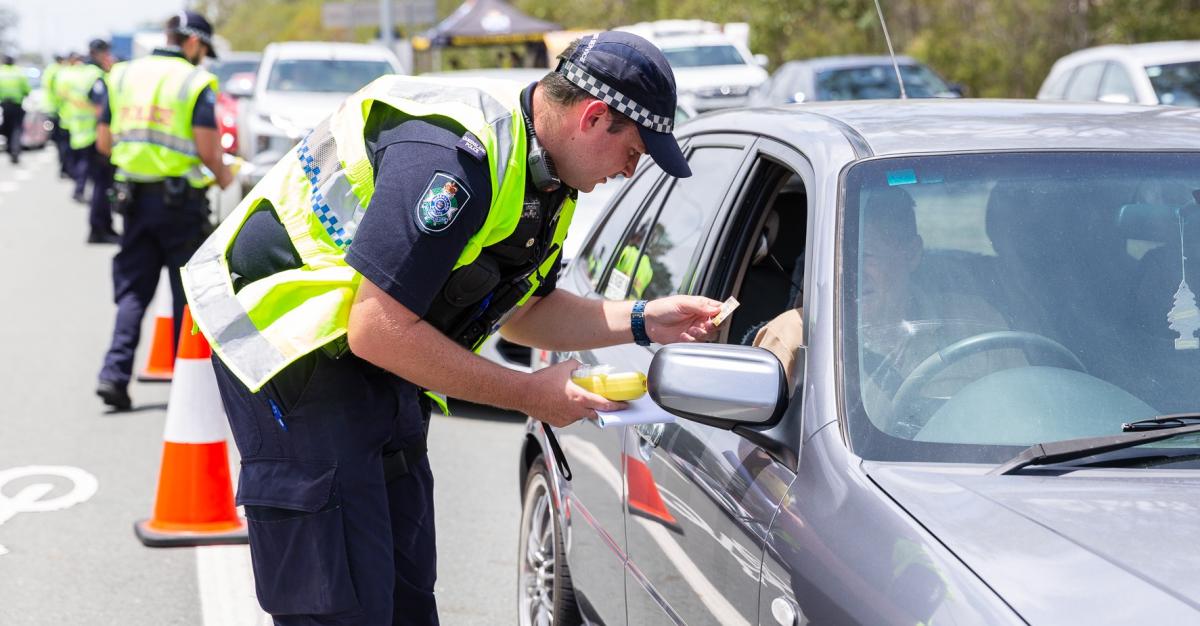
When an officer later testifies about those events, the recording provides an unusually direct comparison.
A judge or jury does not have to rely entirely on memory.
They may be able to see portions of the encounter themselves.
A Practical DWI Officer Credibility Example
Consider Rachel.
An officer arrests Rachel for DWI and writes that she appeared “extremely confused” during questioning.
Months later, the case reaches a hearing.
Body-camera footage shows Rachel answering most questions promptly but asking the officer to repeat two complicated instructions.
The defense asks whether “extremely confused” accurately characterizes the interaction.
The officer may have an explanation.
Perhaps Rachel behaved differently before the camera segment.
Perhaps other evidence supports the description.
Or perhaps the wording was stronger than the video suggests.
That is credibility analysis in practice.
Minor Differences Do Not Automatically Destroy Credibility
Suppose an officer says at trial that the traffic stop occurred at 11:10 p.m., while the report says 11:12 p.m.
That discrepancy may have little significance.
Now suppose the officer testifies that the defendant admitted drinking four beers, while the body-camera recording contains an answer of one beer.
That difference may matter considerably more.
A strong defense distinguishes trivial inconsistencies from contradictions affecting important evidence.
DWI Officer Credibility and Memory Over Time
A DWI case may reach trial months after the arrest.
An officer may have conducted many other traffic stops during that period.
Memory naturally fades.
Officers may use reports to refresh their recollection where legally appropriate.
The defense may examine whether the officer genuinely remembers the encounter or is effectively reconstructing the event entirely from written notes.
That does not automatically make testimony unreliable, but it can affect how jurors evaluate certainty.
Detailed Memory Can Sometimes Raise Questions Too
Imagine an officer says:
“I remember this defendant specifically because the stop was unusual.”
That may explain a detailed recollection.
But if the officer claims precise memory of ordinary details not mentioned anywhere in the original report, the defense may ask why those details suddenly became memorable months later.
The jury can decide whether the explanation is persuasive.
Cross-examination often focuses on the difference between genuine recollection and reconstruction.
Field Sobriety Testing Can Create Credibility Disputes
Officer observations during standardized field sobriety testing can become important DWI evidence.
The officer may describe particular clues or performance problems.
The defense may compare those descriptions with video.
Questions can include:
Were instructions given clearly?
Was the test administered as described?
What conditions existed?
What did the defendant actually do?
Does the recording support the number or nature of the clues reported?
Video can either reinforce or challenge the officer’s testimony.
Environmental Conditions Should Not Be Ignored
Suppose the officer says the defendant had difficulty maintaining balance.
Body-camera footage shows the defendant standing on an uneven roadside shoulder while traffic passes nearby.
That does not automatically invalidate the officer’s observation.
But it provides context.
The defense may argue that the officer attributed too much significance to balance problems without adequately considering the environment.
Credibility sometimes concerns interpretation rather than whether an event happened at all.
Medical Conditions Can Affect Observations
An officer may observe an unusual gait, speech pattern, tremor, or balance problem.
The officer may reasonably record what was observed.
But if medical records establish that the defendant has a longstanding condition producing the same symptoms, the defense may question the officer’s conclusion that the signs indicated intoxication.
The officer can remain truthful about the observation while being challenged about its interpretation.
This is an important distinction in DWI officer credibility cases.
Language Barriers Can Create Similar Problems
Suppose an officer writes:
“Driver repeatedly failed to follow instructions.”
Body-camera footage reveals that English is not the driver’s first language and that the driver repeatedly asks for clarification.
The defense may argue that misunderstanding—not intoxication—explains at least some of the behavior.
Again, the officer’s statement may be literally accurate.
The credibility dispute can concern what inference should reasonably be drawn from it.
Statements Attributed to the Driver Need Verification
Police reports frequently contain statements allegedly made by defendants.
Examples might include:
“I had a few drinks.”
“I shouldn’t have driven.”
“I came from the bar.”
When recordings exist, attorneys can compare the exact language.
Context can matter enormously.
Suppose the report says the defendant “admitted drinking heavily.”
The recording shows the defendant saying:
“My friends were drinking heavily. I had one.”
That difference could substantially affect the evidentiary picture.
Quoting and Paraphrasing Are Not the Same
Reports often paraphrase.
That is not inherently improper.
But paraphrasing can occasionally change nuance.
A defense attorney may ask the officer whether quotation marks indicate exact words or whether the report merely summarizes the conversation.
When precise wording matters, the original recording can be more informative than a later paraphrase.
Timeline Errors Can Affect More Than Credibility
Time is important in DWI cases involving chemical testing.
Suppose an officer’s report places the stop at one time, the body camera shows another, and laboratory paperwork contains a third relevant timestamp.
A small clerical difference may be harmless.
A larger discrepancy could affect reconstruction of events.
The defense may create a timeline using:
- Dispatch logs
- Dash-camera timestamps
- Body-camera timestamps
- Arrest records
- Breath-test records
- Blood-draw documentation
Consistency strengthens the prosecution’s chronology.
Unexplained gaps can create questions.
Dispatch Records Can Confirm What the Officer Knew
Suppose an officer testifies that dispatch provided specific information before the stop.
Dispatch recordings or logs may confirm that claim.
If they do, the testimony gains independent support.
If they do not, the defense may ask when and how the officer actually learned the information.
Objective records can therefore test more than driving observations.
They can help establish the officer’s knowledge at important moments.
Prior Statements Can Be Compared With Trial Testimony
An officer may describe the same event in several places:
The initial report.
A supplemental report.
A pretrial hearing.
A deposition where applicable.
Trial testimony.
If the account changes significantly, the defense may use earlier statements to challenge credibility under applicable evidentiary rules.
The significance depends on what changed.
Cross-Examination Is About Testing, Not Insulting
Effective cross-examination does not require accusing the officer of lying every five minutes.
Often, a calmer approach is more persuasive.
The attorney may establish:
What the report says.
What the video shows.
What the officer testified previously.
Then the attorney lets the inconsistency speak for itself.
Aggressive accusations can sometimes distract from a strong factual contradiction.
DWI Officer Credibility and Training Claims
Officers may testify about DWI investigation training and experience.
Training can help explain how they interpret observations and administer procedures.
But credentials do not make every conclusion automatically correct.
The defense may examine:
- What training was completed
- When it occurred
- Whether procedures were followed
- Whether the officer departed from training
- Whether the officer’s interpretation matches the evidence
Experience deserves consideration, but it remains subject to evidentiary testing.
Failure to Follow Procedure Can Affect Weight
Suppose an officer testifies that a roadside procedure should be administered in a particular manner.
Video then shows a meaningful deviation from that procedure.
The defense may ask whether the deviation affects reliability.
Not every procedural departure requires exclusion of evidence.
Some issues affect weight rather than admissibility.
Still, inconsistencies between training and actual practice can become relevant.
Chemical Evidence Does Not Make Officer Credibility Irrelevant
Suppose the prosecution has a blood-test result.
It may seem that officer credibility no longer matters.
But the officer can still be important to questions involving:
- The stop
- The arrest
- The timeline
- Statements
- Sample collection
- Other investigative events
Scientific evidence and observational evidence are different categories.
One does not automatically replace the other.
A Strong Chemical Result Can Still Be Challenged Separately
Defense counsel should avoid forcing every DWI issue into a credibility argument.
If the real dispute concerns laboratory procedures, that issue may require scientific analysis rather than attacking the officer.
Similarly, if the officer’s video and report are highly consistent, an exaggerated credibility attack may be ineffective.
Good defense strategy focuses on genuine weaknesses.
Missing Video Can Create Questions
Suppose an officer’s report refers to body-camera footage, but no recording is produced.
The defense may investigate why.
Was the camera activated?
Was footage lost?
Was it never recorded?
Did a technical problem occur?
The absence of video does not automatically prove misconduct.
But if objective evidence that should exist is missing, the circumstances may deserve investigation.
Selective Recording Can Also Matter
Imagine an officer activates the body camera only after much of the roadside investigation has occurred.
The defense may ask what happened before recording began.
Did departmental policy require earlier activation?
Does another camera capture the missing period?
The issue may affect how confidently the jury can verify the officer’s description of unrecorded events.
Contradictions Between Officers Can Be Significant
Some DWI investigations involve multiple officers.
Suppose Officer A says the defendant appeared highly unsteady.
Officer B’s report says the defendant walked normally.
Neither discrepancy automatically determines the case.
But the defense may ask why two trained observers interpreted the same person differently.
Multiple witnesses can strengthen a case when their accounts align and create questions when important details conflict.
A Second Practical Scenario
Consider David.
One officer conducts the traffic stop while another arrives later.
At trial, the first officer says David smelled strongly of alcohol immediately upon approaching the vehicle.
The second officer’s report states that no alcohol odor was noticed during close conversation.
The defense may explore the difference.
Where was each officer standing?
When did each interact with David?
Could environmental conditions explain the discrepancy?
The goal is to understand whether the accounts genuinely conflict.
Prior Credibility Findings Can Be Legally Complex
Defendants sometimes want to search for every complaint ever made against an officer.
Not every complaint is relevant or admissible.
Rules governing impeachment, personnel information, prior conduct, and disclosure can be complicated.
A defense attorney may investigate legally relevant credibility information while recognizing that unsupported allegations do not automatically become courtroom evidence.
The focus should remain on information that can properly affect credibility under applicable law.
Prosecutors Also Have Disclosure Responsibilities
Criminal discovery obligations can include information favorable to the accused and certain impeachment material under constitutional and statutory principles.
If legally required credibility information exists, disclosure questions may arise.
The precise obligations depend on the nature of the information and applicable law.
This is another reason discovery review matters in cases where officer credibility becomes central.
A Credibility Challenge Can Affect a Suppression Hearing
Officer credibility is not limited to jury trials.
Suppose a pretrial suppression motion challenges the legal basis for a traffic stop.
The officer testifies about observing specific driving behavior.
Dash-camera footage is unclear.
The judge may need to determine whether the officer’s testimony is credible.
That finding can influence whether evidence obtained after the stop remains admissible.
Judges Evaluate Credibility Too
During pretrial hearings, the judge may act as the factfinder.
The judge can observe the officer’s testimony, compare it with recordings and documents, and resolve factual disputes.
Therefore, DWI officer credibility can affect the case long before jurors are selected.
A significant credibility finding at a suppression hearing may reshape the entire prosecution.

Credibility Problems Can Influence Plea Negotiations
Suppose discovery reveals a substantial contradiction between the officer’s report and body-camera footage.
Prosecutors may reassess the strength of the case.
The defense may gain additional negotiating leverage.
Conversely, video that strongly corroborates the officer may strengthen the prosecution’s position.
Discovery-driven credibility analysis can therefore affect plea discussions even when the case never reaches trial.
The Strongest Challenges Use Objective Evidence
Saying:
“The officer is lying”
is easy.
Proving that an important statement conflicts with objective evidence is much more persuasive.
Useful comparison sources can include:
- Body-camera footage
- Dash-camera footage
- Dispatch logs
- GPS information
- Chemical-test timestamps
- Written reports
- Prior testimony
Objective contradictions give the credibility challenge substance.
Not Every Error Means Dishonesty
This point should remain central.
A report can contain an incorrect time because of a clerical error.
An officer can genuinely forget a minor detail.
Two witnesses can honestly remember an event differently.
Credibility analysis should distinguish human mistakes from material contradictions.
Overstating minor errors can make the defense appear less reasonable.
Material Inconsistencies Deserve More Attention
Suppose an officer’s mistake concerns whether the defendant’s car was blue or dark gray.
That may have little connection to intoxication.
Now suppose the officer changes testimony about whether the defendant was actually driving when first observed.
That difference could affect a fundamental element of the case.
The defense should prioritize contradictions that matter legally.
How Jurors May Evaluate DWI Officer Credibility
Jurors can consider an officer’s testimony in the same broader credibility framework applied to other witnesses, subject to the judge’s instructions.
They may examine:
- Opportunity to observe
- Memory
- Consistency
- Supporting evidence
- Contradictions
- Demeanor
- Reasonableness of the account
A badge does not automatically make testimony true.
Likewise, being a police officer does not automatically make testimony unreliable.
The evidence should decide the issue.
A Full DWI Officer Credibility Scenario
Consider Amanda.
An officer reports that Amanda was weaving significantly, struggled to exit her vehicle, spoke with heavily slurred speech, and repeatedly failed to understand instructions.
Amanda’s attorney obtains the complete discovery file.
Dash-camera footage shows relatively limited lane movement.
Body-camera footage shows Amanda exiting without obvious difficulty.
Her speech sounds unusual, but medical records establish a longstanding speech condition.
She asks for clarification several times because traffic noise makes instructions difficult to hear.
The defense now has several specific issues to explore.
It does not need to argue that everything the officer said was fabricated.
Instead, counsel can ask whether the officer’s descriptions overstated what the objective evidence actually shows.
That is a focused DWI officer credibility challenge.
Why Credibility Should Be Evaluated Piece by Piece
An officer can be accurate about some observations and mistaken about others.
The defense does not necessarily need to prove that every sentence in the report is unreliable.
Perhaps the officer accurately smelled alcohol but overstated balance problems.
Perhaps the driving observations are well documented but the defendant’s alleged admission is inaccurately paraphrased.
Separating each claim makes the analysis stronger.

Conclusion
DWI officer credibility can become a major issue when a Texas impaired-driving prosecution relies on an officer’s observations about driving, speech, balance, statements, roadside performance, or other signs allegedly associated with intoxication. Officer testimony is legitimate evidence, but like testimony from any witness, it can be tested against recordings, written reports, dispatch records, scientific evidence, timestamps, medical information, and prior statements.
From an analytical perspective, an effective DWI officer credibility challenge should focus on meaningful discrepancies rather than automatically accusing an officer of dishonesty. Minor memory differences may have little importance, while contradictions involving the reason for the traffic stop, alleged admissions, field sobriety observations, or the sequence of events can have substantial legal significance. Body-camera and dash-camera footage are particularly valuable because they allow judges and jurors to compare descriptions with portions of the actual encounter. Ultimately, the strongest credibility analysis asks a straightforward question: when the officer’s account is compared with the objective evidence, how reliably does it describe what actually happened?