
DWI cases in Texas are most often dismissed because of unlawful stops, lack of probable cause, faulty field sobriety tests, improper chemical testing, chain of custody gaps, Miranda violations, speedy trial delays, lost evidence, or defective charging documents. An experienced attorney can identify which of those issues applies to your case and act on it before the State builds its proof.
A DWI arrest can be overwhelming, but you don't have to face it alone. You're likely replaying the stop, worrying about your license, your job, and what a judge will hear first. That fear is normal, and it doesn't mean a conviction is certain.
Texas doesn't publish a single statewide percentage for DWI cases dismissed, and Texas Department of Public Safety criminal history reporting distinguishes arrests, convictions, prior offenses, and recidivism instead. That matters because deferred adjudication counts with convictions in that data, and a deferred outcome isn't a dismissal. Any honest dismissal figure has to name the county, filing year, offense level, and denominator.
The eight pathways below follow the order issues arise, from the traffic stop to trial. If you're looking to fight DWI Texas charges, read for the point where your case may break, then ask your Houston DWI lawyer what records prove it.
1. Unlawful Traffic Stop Without Reasonable Suspicion
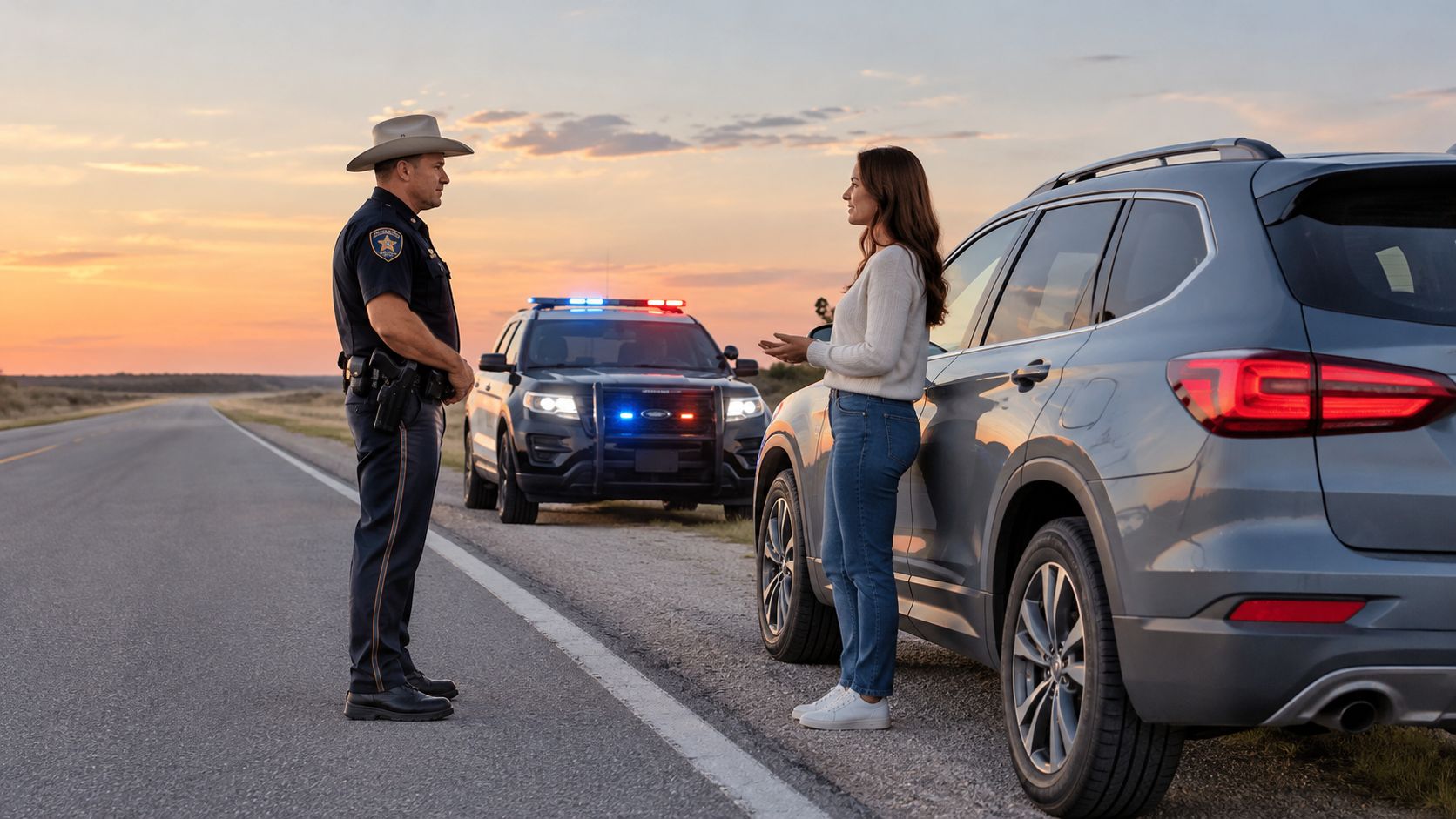
Police need a legal reason to stop your car. Under Terry v. Ohio, an officer needs reasonable suspicion based on specific, articulable facts suggesting a traffic violation or criminal activity, not a hunch. An uncorroborated anonymous tip or a mistaken reading of the law can support a challenge, although an honest mistake of law may still be reasonable under Heien v. North Carolina.
If the stop was unlawful, evidence gathered afterward may be suppressed under Texas Code of Criminal Procedure article 38.23. That can include observations of impairment, field sobriety tests, and breath or blood results. Without that evidence, prosecutors may not be able to continue.
What Your Attorney Reviews First
Your lawyer should compare the officer's report against dashcam and bodycam footage, dispatch logs, and in car video. Courts look at the totality of the circumstances, so timing, lane position, speed, and what the officer saw matter. Reviewing reasonable suspicion examples in Texas DWI stops helps you spot whether the stated reason matches the recording.
- Strength of this defense: It can remove core evidence and may lead to dismissal or a reduced charge.
- Practical limit: Courts often uphold stops for even minor driving irregularities, so recordings matter.
- Separate license issue: Winning suppression doesn't automatically resolve a DWI license suspension in the ALR case.
A Texas DWI Defense Lawyer handles defense for drivers charged with DWI under Texas Penal Code 49.04, and the stop is usually the first file that lawyer opens. A motion to suppress is filed before trial, so don't wait until a court date to ask for the video.
2. Lack of Probable Cause for the DWI Arrest
A lawful stop doesn't automatically justify an arrest. The officer needs probable cause to believe you were driving while intoxicated, which requires more than suspicion. Courts examine facts known at the moment of arrest, such as odor of alcohol, slurred speech, bloodshot eyes, driving behavior, and roadside performance.
Those signs aren't always intoxication. Fatigue, allergies, nervousness, illness, or a medical condition can explain red eyes, unsteady speech, or poor balance. If observations are limited, contradictory, or inconsistent with video, your attorney can challenge whether probable cause existed at all.
Where This Challenge Works Best
This defense is valuable even when the initial stop was valid. The State has to justify the escalation from detention to handcuffs, and reports often use boilerplate language that video doesn't support. Reading about what gives police probable cause for a DWI arrest in Texas helps you prepare specific questions about timing and observations.
Practical rule: Ask what the officer knew before the arrest, not what the breath or blood test showed afterward.
If there's no probable cause, evidence obtained after the arrest, including a breath or blood specimen, may be excluded. That can leave the State with little more than a traffic stop.
The trade off is clear. Courts may find probable cause from several minor signs combined, and the smell of alcohol is rarely the only factor prosecutors present. Your Texas DUI attorney will likely raise this issue alongside field sobriety and chemical test challenges so one weakness reinforces another.
3. Improper Administration or Interpretation of Field Sobriety Tests
A field sobriety test is a roadside exercise officers use to assess possible impairment. The common battery includes Horizontal Gaze Nystagmus, the Walk and Turn, and the One Leg Stand. These tests are generally voluntary in Texas, and they're not perfect measures of intoxication.
Standardization is the whole point. A federally evaluated three test battery designed to classify breath alcohol above or below 0.10% was studied with officers trained across four jurisdictions, which shows its design isn't the same as proof of Texas statutory intoxication. Departures from standardized instructions, demonstrations, or clue scoring can make results unreliable.

Conditions That Undermine Test Results
- Surface and lighting: Slopes, gravel, wind, darkness, or passing headlights affect balance tests.
- Instructions and demonstration: Skipped or rushed directions change what performance means.
- Driver factors: Footwear, age, weight, injuries, inner ear problems, or anxiety affect performance.
- HGN foundation: Texas courts require a proper foundation before HGN results are used.
Video often decides this issue. Learning how to challenge field sobriety test results in Texas shows why your attorney documents surface, footwear, and scoring clue by clue.
A successful challenge may exclude the tests or reduce their weight with a jury. It won't always end the case, because officers also testify about driving and speech. Still, if roadside tests supplied the main basis for arrest, weakening them can weaken probable cause and support dismissal, reduction, or acquittal.
4. Breath or Blood Test Errors and Unlawful Blood Draws
BAC means blood alcohol concentration, the percentage of alcohol in a person's blood. Texas treats a BAC of 0.08 or more as intoxication per se, so chemical evidence often drives the prosecution. That makes equipment, operators, and sample handling central to your defense.
Implied consent means that by driving on Texas roads, you're considered to have agreed to provide a specimen when lawfully arrested for an intoxication related offense. Texas's rules appear in Transportation Code chapter 724, but implied consent doesn't erase constitutional limits. Under Birchfield v. North Dakota, breath tests may be permitted as a search incident to arrest, while blood tests generally require a warrant, and Missouri v. McNeely rejects automatic exigency from alcohol dissipation alone.
What a Chemical Test Audit Covers
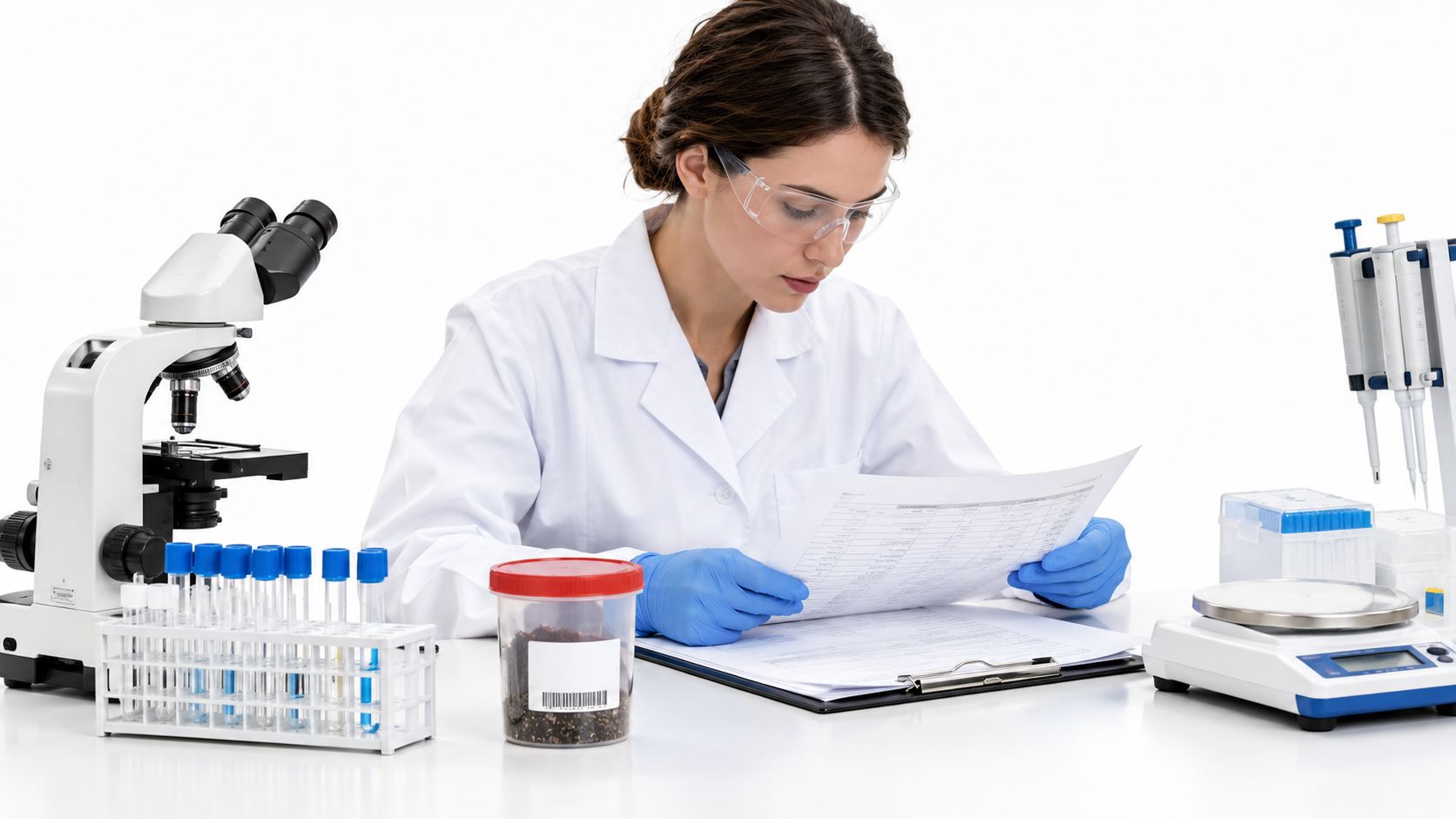
Breath testing requires approved instruments, certified operators, documented calibration and maintenance, and a proper observation period before the test. Blood testing requires a valid warrant or recognized exception, a qualified person to draw the sample, contamination controls, laboratory reliability, and a clear chain of custody. Your lawyer can request calibration logs, operator records, maintenance files, and lab documentation through discovery and compare them against the guidance on Texas DWI blood and breath testing.
Some defects lead to suppression. Others only affect weight, especially if the State shows valid consent, a warrant, and reliable lab procedures. The strongest path is specific, not a generic claim that you weren't that impaired. If a foundational defect prevents reliable interpretation, DWI cases dismissed on testing grounds become a realistic outcome to discuss.
5. Violation of Miranda Rights and the Right to Counsel
Before custodial interrogation, police must give Miranda warnings explaining your right to remain silent and your right to an attorney. Those warnings matter in DWI cases because admissions about drinking, how much you drank, where you were coming from, or when you last drove can fill gaps in the State's proof.
Texas adds protection under Code of Criminal Procedure article 38.22. Statements made during custodial interrogation are generally inadmissible unless recorded or otherwise properly obtained. If officers kept questioning you after custody began, ignored a clear request for counsel, or failed to record as required, your attorney may move to suppress those statements.
Timing Controls This Defense
Not every roadside conversation is custodial interrogation. Courts look at where you were, whether you were handcuffed, how long questioning lasted, and whether a reasonable person would feel free to leave. Questions at the scene, in a patrol car, or at the station can fall on either side of that line.
- What suppression can do: Exclude damaging admissions about drinking or driving.
- What it cannot do: Automatically exclude video, officer observations, or chemical results.
- What proves it: Bodycam audio, station video, warning forms, and exact timestamps.
That limit is important. A Miranda win rarely stands alone, but it can change plea negotiations when the State relied on your words to prove who drove or when drinking occurred. Tell your lawyer exactly when you asked for counsel, if you did, and preserve any paperwork you signed.
6. Violation of Your Right to a Speedy Trial
The Sixth Amendment and the Texas Constitution guarantee a speedy trial. Courts apply the four part test from Barker v. Wingo, weighing the length of delay, the reason for it, whether you asserted the right, and whether delay prejudiced your defense. No single factor decides the issue.
Prejudice has to be concrete. Lost witnesses, faded memories, missing video, or a witness who has moved away carry more weight than frustration alone. Delays you requested, including defense continuances, usually count against you, while unexplained State delay counts differently.
How to Protect a Speedy Trial Claim
Assert the right on the record. Silent waiting weakens the claim, even when the calendar drags. Your attorney should document reset dates, who requested each reset, outstanding discovery, and any witness or evidence lost during the wait.
Dismissal for speedy trial violations is a serious remedy, and courts generally require a substantial, harmful delay before granting it.
When it succeeds, dismissal is generally with prejudice, meaning the State cannot refile the same charge. That finality is the upside. The downside is that success is uncommon and fact specific.
Texas reporting also treats failure to meet speedy trial limitations as one type of reported dismissal, alongside outcomes such as insufficient evidence, refiling, or an unknown reason, within Texas court annual statistical reporting for 2025. That broad definition is another reason a raw dismissal count doesn't tell you your personal odds.
7. Lost, Destroyed, or Withheld Evidence
The prosecution must disclose evidence favorable to the defense under Brady v. Maryland. In a DWI case, that can include dashcam and bodycam footage, dispatch recordings, calibration logs, laboratory files, and officer training records. It can also include material that impeaches an officer or undermines a test result.
Lost evidence follows a stricter path. Under California v. Trombetta, the missing evidence must have had apparent exculpatory value. Under Arizona v. Youngblood, bad faith generally must be shown when evidence was only potentially useful. Courts may respond with jury instructions, exclusion of testimony, sanctions, or, in serious cases, dismissal.

Why Early Discovery Requests Matter
Recording systems may overwrite footage after a set period, and logs are easier to obtain before agencies rotate files. Your attorney should send prompt written requests and follow up in writing. That paper trail helps show what existed, what you asked for, and when the State failed to produce it.
Missing video can weaken proof of impairment because juries expect to see driving and roadside performance. Discovery can also reveal problems you didn't know existed, such as gaps in an instrument log.
The limits are real. Some footage may never have existed, and a court may find no violation. You'll usually need to show importance and, in some situations, bad faith. Prompt action by a Houston DWI lawyer gives you the best chance to meet that burden.
8. Defective Charging Document or Insufficient Evidence of Intoxication
A DWI charge must be properly stated in the complaint or information and give adequate notice of what the State must prove. Under Texas Penal Code section 49.01, intoxication means not having the normal use of mental or physical faculties because of alcohol, a drug, or another substance, or having a BAC of 0.08 or more. If the document omits essential facts, cites the wrong statute, or fails to give notice, your attorney may file a motion to quash before trial.
Insufficient evidence is a separate path. If trial proof doesn't establish intoxication beyond a reasonable doubt, the defense may request a directed verdict after the State rests, or the jury may acquit. Weak proof also gives prosecutors a reason to reduce or dismiss before trial.
Reading Outcome Numbers Carefully
A private Texas firm report of 1,370 cases found 15.8% of resolved matters dismissed and 3.8% of resolved felony DWI cases dismissed, with 545 cases still pending when analyzed. Those aren't statewide odds for a first DWI in Texas or a felony case. Sample, offense level, and pending cases change the meaning.
- Defective charge benefit: The case may be dismissed or require refiling.
- Insufficient proof benefit: Acquittal or a favorable negotiated outcome may follow.
- Pretrial intervention: Some counties offer programs that may end in dismissal after completion.
- Main limit: Technical defects may be corrected by amendment, and juries may still credit video and testimony.
Here, evidence, not labels, decides whether dismissal, diversion, reduction, deferred adjudication, or acquittal is the realistic goal.
8 Grounds for DWI Case Dismissal: Comparison Guide
| Defense strategy | 🔄 Implementation complexity | Resource requirements | 📊 Potential outcome | ⭐ Key advantage | 💡 Best suited when |
|---|---|---|---|---|---|
| Unlawful traffic stop | Moderate–high; fact-specific legal review | Dashcam/bodycam footage, dispatch logs, officer report; request recordings ⚡ | Evidence may be suppressed; case may be weakened or dismissed | Can challenge evidence gathered after the stop | The stop may lack specific, articulable facts supporting reasonable suspicion |
| Lack of probable cause for DWI arrest | Moderate; depends on the totality of observations | Reports, video, officer testimony, relevant medical or injury records | Evidence obtained after arrest may be excluded | Can challenge an arrest even when the initial stop was lawful | Observations of impairment are limited, inconsistent, or have another plausible explanation |
| Improper field sobriety testing | Moderate; requires review of procedures and conditions | Test video, officer training records, NHTSA procedures; expert review may help | Test results may be excluded or given less weight | Can contest a common source of impairment evidence | Tests may have been improperly administered or affected by conditions, injuries, or health issues |
| Breath or blood test errors or unlawful blood draw | High; technical and constitutional issues | Calibration, operator, lab, warrant, and chain-of-custody records; expert review may help | Chemical results may be suppressed or challenged | Can target evidence that may be central to the prosecution | Testing procedures, sample handling, authorization, or documentation may be defective |
| Miranda or right-to-counsel violation | Moderate; depends on custody, questioning, and recording | Questioning timeline, interview or patrol-car recordings, officer testimony | Statements may be suppressed; other evidence may remain admissible | May exclude damaging admissions | Statements followed custodial questioning without required warnings or after a clear request for counsel |
| Speedy-trial violation | High; requires case-history and prejudice analysis | Court records, continuance history, witness and evidence records | Dismissal may be available, but is a serious and uncommon remedy | Addresses unreasonable delay that harms the defense | Significant delay may be attributable to the State and has impaired the defense |
| Lost, destroyed, or withheld evidence | Moderate–high; preservation and disclosure issues | Written preservation requests, discovery history, video and testing records ⚡ | Court may impose sanctions, exclude evidence, or dismiss in serious cases | May expose missing favorable evidence or undermine the State's proof | Relevant evidence was withheld or lost, especially after a preservation request |
| Defective charging document or insufficient evidence | Moderate; varies by defect and case stage | Charging documents, discovery, trial evidence; county program requirements if relevant | Charge may be amended or quashed; insufficient proof may support acquittal; diversion may lead to dismissal | Can challenge notice, legal elements, or proof of intoxication | The charge may be defective, trial evidence may be insufficient, or a local diversion program may be available |
Take the Next Step Toward Dismissal, Your Free Consultation Awaits
A DWI charge isn't the end of your story. Dismissals usually come from details the State hopes nobody examines closely, including the reason for the stop, the basis for arrest, test reliability, preserved video, and the wording of the charge itself. Your job now is to get those details reviewed while they're still available.
Don't rely on a headline dismissal rate to predict your case. A Texas impaired driving assessment reporting 90,376 DWI reports in 2017, 97,660 in 2018, 98,497 in 2019, and 82,597 in 2020 also records dismissals of 8,108, 2,021, 8,312, and 1,434 for those years, implying shares of about 9.0%, 2.1%, 8.4%, and 1.7%. Those shares aren't arrest year probabilities because dispositions can occur later and use different denominators.
Institutional practices also move outcomes. Historical research summarized in Mothers Against Drunk Driving's 2024 court monitoring report describes a December 1990 U.S. Department of Transportation study, DOT HS 807 678, finding monitored jurisdictions had conviction rates 10% higher and dismissal rates 70% lower than unmonitored jurisdictions. That study involved misdemeanor DUI cases, so it isn't a current Texas estimate, but it shows why county practice matters.
Act First on Your License and Your Record
The Administrative License Revocation process, often called administrative license suspension, is separate from criminal court. Under the Texas DPS ALR program rules on hearing deadlines and suspension timing, you generally have 15 days after DPS notice to request an ALR hearing, and suspension ordinarily begins on the 40th day after notice if no hearing is requested. Request ALR hearings help immediately, because missing that deadline waives the hearing right.
Dismissal also doesn't automatically mean a clean record or instant license relief. You may still need to verify DPS status, correct records, and evaluate expunctions or other lawful record clearing based on the exact disposition. Keep the signed dismissal order, because employers, licensing agencies, and background checks may require proof.
First-Offense DWI in Texas, Penalties and Defenses explains what a first charge means and how it can be challenged, but your facts control strategy. The Law Office of Bryan Fagan, PLLC serves Houston, Dallas Fort Worth, Austin, San Antonio, and surrounding counties with 24/7 support and a practice focused on fighting for dismissals and reduced charges. Request a free consultation or case evaluation now, before the ALR clock, missing video, or a preventable plea narrows your options.
If you're facing a Texas DWI, the Law Office of Bryan Fagan, PLLC can review the stop, arrest, testing, and charging documents, protect your ALR deadline, and explain whether dismissal, reduction, or another path fits your facts. Visit Law Office of Bryan Fagan, PLLC to request your free consultation and take the next step with a local defense team beside you.
